

 Myopia management
 Dry Eye Treatment

Back-to-School Vision Check: When Should Your Child Start Myopia Management?
Blog:Back-to-School Vision Check: When Should Your Child Start Myopia Management?
Back-to-School Vision Check: When Should Your Child Start Myopia Management?
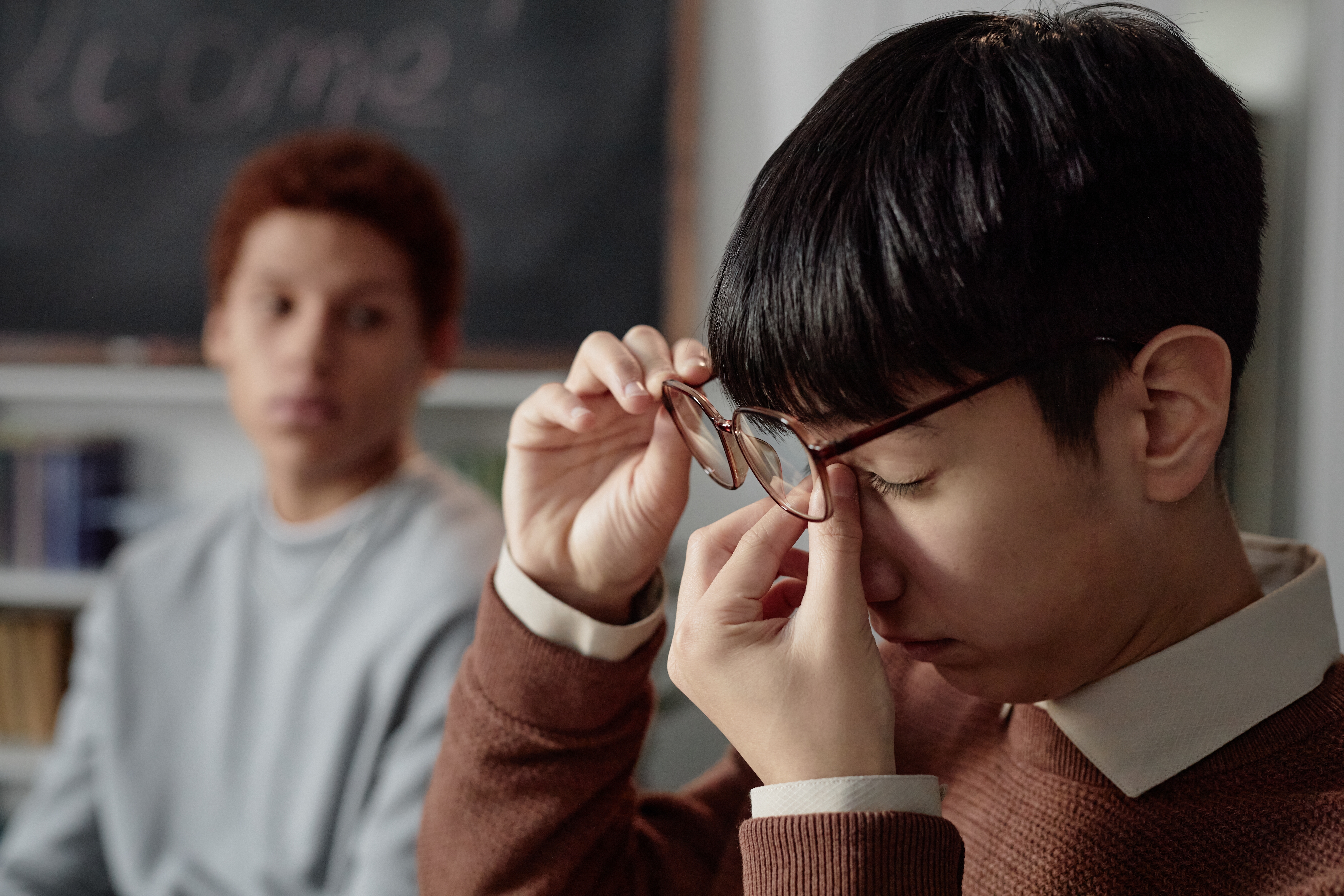
The start of a new school year is a good time to evaluate whether your child can see the classroom board, recognize faces at a distance, and participate confidently in sports. When distance vision becomes blurry, a child may have myopia, also known as nearsightedness.
New glasses can restore clear vision, but they do not necessarily slow the progression of myopia. Myopia management gives Magnolia families a more proactive option by correcting a child’s eyesight while helping reduce how quickly nearsightedness worsens.
What Is Childhood Myopia?
Myopia commonly begins during the school years. It usually occurs when the eye grows too long from front to back, causing light to focus in front of the retina instead of directly on it. Nearby objects may remain clear, but distant words and objects appear blurry.
Because children’s eyes continue growing, myopia can progress and require increasingly stronger prescriptions. Children who develop nearsightedness at a younger age may have more years for it to worsen. This is why early evaluation and ongoing monitoring are important.
When Should Myopia Management Begin?
Parents do not need to wait until their child reaches a particular age or develops a strong prescription. Myopia management should be discussed when nearsightedness is diagnosed, especially when the prescription is changing, the child is young, or there is a family history of myopia.
An early conversation does not mean every child will begin the same treatment immediately. The optometrist will evaluate the child’s prescription, eye health, age, lifestyle, previous vision changes, and ability to follow treatment instructions.
Starting earlier may provide more opportunity to limit progression while the eyes are still developing. The goal is to manage myopia before it becomes significantly stronger rather than repeatedly responding to blurred vision with standard lens upgrades.
Signs Your Child May Be Becoming Nearsighted
Magnolia parents should watch for changes that become noticeable during school, homework, sports, or daily activities, including:
- Squinting to see the classroom board or television
- Sitting unusually close to screens
- Moving closer to distant signs or presentations
- Complaining of headaches or tired eyes
- Struggling to recognize people from across a room
- Experiencing frequent glasses prescription changes
- Losing confidence during sports that require distance vision
Children may not complain because they assume their vision is normal. A comprehensive pediatric eye exam can identify myopia even when the signs are subtle.
What Happens During a Myopia Evaluation?
A myopia evaluation begins with a detailed review of your child’s vision history, health, daily screen habits, outdoor activity, and family history. The optometrist measures the prescription, evaluates eye health, and reviews whether nearsightedness has changed since previous visits.
At Texas State Optical Magnolia, Dr. Christy Jew has extensive experience in myopia management and is certified in fitting both orthokeratology and MiSight lenses. The practice also provides comprehensive pediatric eye exams for children throughout the Magnolia community.
Follow-up appointments are an essential part of treatment. They allow the doctor to check visual clarity, eye health, lens fit when applicable, and the child’s response to the recommended plan.
Myopia Management Options for Children
Orthokeratology, or Ortho-K, uses custom gas-permeable contact lenses worn during sleep. These lenses temporarily reshape the cornea so many children can see clearly during the day without glasses while also helping slow myopia progression.
MiSight 1 Day lenses are daily disposable soft contacts designed to correct nearsightedness and slow its progression. They are FDA approved for eligible children who begin treatment between ages 8 and 12 and meet specific prescription and eye health requirements.
Atropine eye drops may also be considered based on the child’s individual findings. Texas State Optical Magnolia offers Ortho-K, MiSight, and atropine drops as part of its myopia management services.
The best option depends on your child rather than a one-size-fits-all recommendation. Healthy habits such as regular outdoor time, appropriate reading distances, good lighting, and breaks from extended close work can also support the overall plan.
Help your child begin the school year with clearer vision and proactive care by scheduling a myopia management evaluation with Texas State Optical Magnolia at 6519 FM 1488, Suite 503, Magnolia, TX 77354. Call (281) 946-2020 to book an appointment.
Quick Links
Helpful Articles
article_category: products
article_category: psychiatry
article_category: faqs
article_category: cats
article_category: general
article_category: services
article_category: technology
article_category: dogs
article_category: restorative
article_category: vision therapy
article_category: contact lenses
article_category: health
article_category: conditions
article_category: eye surgery co-management
article_category: exotic
article_category: cosmetic
article_category: surgical procedures
article_category: aesthetics
article_category: preventative
article_category: ocular disease management
article_category: eyeglasses
article_category: eye health
article_category: large animal
[]
article_category: psychiatry
article_category: faqs
article_category: cats
article_category: general
article_category: services
article_category: technology
article_category: dogs
article_category: restorative
article_category: vision therapy
article_category: contact lenses
article_category: health
article_category: conditions
article_category: eye surgery co-management
article_category: exotic
article_category: cosmetic
article_category: surgical procedures
article_category: aesthetics
article_category: preventative
article_category: ocular disease management
article_category: eyeglasses
article_category: eye health
article_category: large animal
[]
Flowbite is an open-source library of interactive components built on top of Tailwind CSS including buttons, dropdowns, modals, navbars, and more.
Check out this guide to learn how to get started and start developing websites even faster with components on top of Tailwind CSS.

All Eyecare Services
We offer a wide variety of eye care services to the Magnolia community. Contact us with any questions about our services.
Keep In Touch
For non-urgent questions or to learn more about our services, contact us today!

Contact Information
Office Hours
- Monday CLOSED
- Tuesday 9:00am - 6:00pm
- Wednesday 10:00am - 6:00pm
- Thursday 9:00am - 6:00pm
- Friday 9:00am - 6:00pm
- Saturday 9:00am - 2:00pm
- Sunday CLOSED
- Monday
- Tuesday
- Wednesday
- Thursday
- Friday
- Saturday
- Sunday
- Monday
- Tuesday
- Wednesday
- Thursday
- Friday
- Saturday
- Sunday
© 2026 Texas State Optical. All rights Reserved - Accessibility Statement - Privacy Policy - Sitemap
Managed and Designed by 