

 Myopia management
 Dry Eye Treatment

Eye Conditions Detected in Pediatric Eye Exams
Blog:Eye Conditions Detected in Pediatric Eye Exams
Eye Conditions Detected in Pediatric Eye Exams
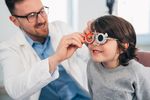
When children struggle in school or seem inattentive, vision problems are often an overlooked factor. Clear, comfortable vision plays a critical role in how children learn, read, and interact with the world around them. At Texas State Optical Magnolia, pediatric eye exams help ensure children in the Magnolia community have the visual foundation they need to succeed both academically and developmentally.
Why Pediatric Eye Exams Matter for Learning
Up to 80% of classroom learning is visual. Reading, writing, using digital devices, and even participating in sports all rely on strong visual skills. When a child has an undiagnosed vision condition, it can appear as poor attention, slow reading, headaches, or behavioral concerns.
Regular pediatric eye exams go beyond simple vision screenings performed at school. They evaluate how well a child’s eyes work together, how they focus, and how efficiently visual information is processed - skills that are essential for learning and comprehension.
Pediatric eye exams can identify a wide range of vision and eye health conditions, many of which are common in children.
Refractive Errors
These are among the most frequently diagnosed issues in pediatric exams and include:
- Nearsightedness (myopia) - Difficulty seeing far away, often affecting classroom learning
- Farsightedness (hyperopia) - Can interfere with reading and close-up work
- Astigmatism - Causes blurred or distorted vision at all distances
Even mild refractive errors can lead to eye strain, headaches, or avoidance of reading if left uncorrected.
Amblyopia (Lazy Eye)
Amblyopia occurs when one eye does not develop normal vision, often because the brain favors the stronger eye. Early detection is critical, as treatment is most effective when started at a young age. Without treatment, amblyopia can result in permanent vision loss in the affected eye.
Strabismus (Eye Turn)
Strabismus is a condition where the eyes do not align properly. One eye may turn inward, outward, upward, or downward. This misalignment can affect depth perception and lead to amblyopia if not addressed early.
Focusing and Eye Teaming Problems
Some children can see clearly but struggle with:
- Maintaining focus while reading
- Eye coordination when switching between near and far tasks
- Visual fatigue during schoolwork
These issues can significantly impact reading fluency, comprehension, and attention in the classroom.
Color Vision Deficiency
Color vision issues are often inherited and may not be obvious without testing. While not typically correctable, identifying color vision deficiencies early helps parents and teachers adapt learning materials appropriately.
Protect Your Child’s Vision and Eye Health
Clear vision is essential for a child’s ability to learn, grow, and thrive. Many vision problems show no obvious signs and can only be detected through a comprehensive pediatric eye exam. Early detection and treatment can make a lifelong difference in a child’s visual development and academic success.
If your child is due for an eye exam or you have concerns about their vision, schedule a pediatric eye exam at Texas State Optical Magnolia today. Visit our office in Magnolia, Texas, or call (281) 946-2020 to book an appointment.
Quick Links
Helpful Articles
article_category: products
article_category: psychiatry
article_category: faqs
article_category: cats
article_category: general
article_category: services
article_category: technology
article_category: dogs
article_category: restorative
article_category: vision therapy
article_category: contact lenses
article_category: health
article_category: conditions
article_category: eye surgery co-management
article_category: exotic
article_category: cosmetic
article_category: surgical procedures
article_category: aesthetics
article_category: preventative
article_category: ocular disease management
article_category: eyeglasses
article_category: eye health
article_category: large animal
[]
article_category: psychiatry
article_category: faqs
article_category: cats
article_category: general
article_category: services
article_category: technology
article_category: dogs
article_category: restorative
article_category: vision therapy
article_category: contact lenses
article_category: health
article_category: conditions
article_category: eye surgery co-management
article_category: exotic
article_category: cosmetic
article_category: surgical procedures
article_category: aesthetics
article_category: preventative
article_category: ocular disease management
article_category: eyeglasses
article_category: eye health
article_category: large animal
[]
Flowbite is an open-source library of interactive components built on top of Tailwind CSS including buttons, dropdowns, modals, navbars, and more.
Check out this guide to learn how to get started and start developing websites even faster with components on top of Tailwind CSS.
All Eyecare Services
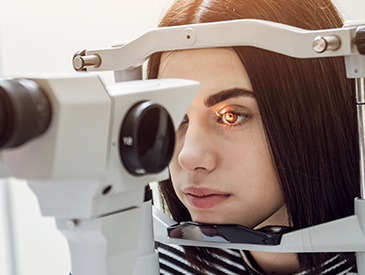
We offer a wide variety of eye care services to the Magnolia community. Contact us with any questions about our services.
Keep In Touch
For non-urgent questions or to learn more about our services, contact us today!

Contact Information
Office Hours
- Monday CLOSED
- Tuesday 9:00am - 6:00pm
- Wednesday 10:00am - 6:00pm
- Thursday 9:00am - 6:00pm
- Friday 9:00am - 6:00pm
- Saturday 9:00am - 2:00pm
- Sunday CLOSED
- Monday
- Tuesday
- Wednesday
- Thursday
- Friday
- Saturday
- Sunday
- Monday
- Tuesday
- Wednesday
- Thursday
- Friday
- Saturday
- Sunday
© 2026 Texas State Optical. All rights Reserved - Accessibility Statement - Privacy Policy - Sitemap
Managed and Designed by 