

 Myopia management
 Dry Eye Treatment

How Often Should People With Diabetes Get an Eye Exam?
Blog:How Often Should People With Diabetes Get an Eye Exam?

How Often Should People With Diabetes Get an Eye Exam?
Diabetes can affect many parts of the body, including the eyes. Even when your vision feels clear, changes can develop in the retina before symptoms are noticeable. That is why people with diabetes should make regular eye exams part of their overall health routine.
For patients in Magnolia, diabetic eye exams at Texas State Optical Magnolia help monitor for early signs of diabetic eye disease, including diabetic retinopathy. These visits are important because early detection can help protect vision and guide the right next steps if changes are found.
How Often Should You Schedule A Diabetic Eye Exam?
In general, people with diabetes should have a comprehensive diabetic eye exam at least once a year. Some patients may need more frequent visits depending on their eye health, blood sugar control, type of diabetes, pregnancy status, or whether diabetic retinopathy has already been detected.
If your eye doctor finds changes in the retina, they may recommend follow-up exams more often than once a year. The goal is to monitor progression closely and coordinate care before vision is seriously affected.
Why Diabetes Affects The Eyes
Diabetes can damage small blood vessels throughout the body. In the eyes, this damage can affect the retina, which is the light-sensitive tissue at the back of the eye. When retinal blood vessels weaken, leak, or become blocked, diabetic retinopathy can develop.
Early diabetic retinopathy may not cause pain or obvious vision changes. This makes routine diabetic eye exams especially important for patients in Magnolia. You may not know there is a problem until the condition has progressed, which is why waiting for symptoms is not the best approach.
What A Diabetic Eye Exam Can Detect
A diabetic eye exam is more than a routine vision check. Your eye doctor evaluates the health of your retina and looks for signs of diabetes-related changes. These changes may include bleeding, swelling, leaking blood vessels, or areas where the retina is not receiving enough oxygen.
During a diabetic eye exam, your optometrist may evaluate:
- Retinal blood vessels and overall retinal health
- Signs of diabetic retinopathy
- Macular swelling or fluid changes
- Vision clarity and prescription changes
- Eye pressure and other eye health concerns
- Whether referral to a retinal specialist is needed
At Texas State Optical Magnolia, comprehensive eye care helps patients understand how diabetes may be affecting their eyes and whether additional monitoring is recommended.
Do You Still Need An Exam If Your Vision Seems Fine?
Yes. People with diabetes should not wait until vision becomes blurry to schedule an eye exam. Diabetic eye disease can develop quietly, and early changes are often found during a comprehensive exam before they interfere with daily activities.
Patients in Magnolia who have stable vision still benefit from yearly diabetic eye exams. These visits create a record of your eye health over time, which can help your optometrist notice small changes earlier.
When You May Need Exams More Often
While once a year is a common recommendation, some people need closer monitoring. Your eye doctor may suggest more frequent diabetic eye exams if you have existing diabetic retinopathy, fluctuating vision, uncontrolled blood sugar, high blood pressure, kidney disease, or a history of diabetes-related eye changes.
Pregnancy can also affect diabetic eye health, so patients with diabetes who are pregnant or planning pregnancy should ask their healthcare team how often their eyes should be checked.
How To Support Healthy Vision With Diabetes
Eye exams are only one part of protecting your vision. Managing diabetes well can also reduce the risk of diabetic eye disease or slow its progression. Work with your primary care doctor or diabetes care team to manage blood sugar, blood pressure, and cholesterol.
Healthy habits such as taking medications as prescribed, staying active, eating balanced meals, avoiding smoking, and keeping routine medical appointments can all support long-term eye health. Pairing these habits with regular diabetic eye exams gives your care team a better chance to detect concerns early.
To schedule a diabetic eye exam in Magnolia, contact Texas State Optical Magnolia at 6519 FM 1488, #503, Magnolia, TX 77354, or call (281) 946-2020.
Quick Links
Helpful Articles
article_category: products
article_category: psychiatry
article_category: faqs
article_category: cats
article_category: general
article_category: services
article_category: technology
article_category: dogs
article_category: restorative
article_category: vision therapy
article_category: contact lenses
article_category: health
article_category: conditions
article_category: eye surgery co-management
article_category: exotic
article_category: cosmetic
article_category: surgical procedures
article_category: aesthetics
article_category: preventative
article_category: ocular disease management
article_category: eyeglasses
article_category: eye health
article_category: large animal
[]
article_category: psychiatry
article_category: faqs
article_category: cats
article_category: general
article_category: services
article_category: technology
article_category: dogs
article_category: restorative
article_category: vision therapy
article_category: contact lenses
article_category: health
article_category: conditions
article_category: eye surgery co-management
article_category: exotic
article_category: cosmetic
article_category: surgical procedures
article_category: aesthetics
article_category: preventative
article_category: ocular disease management
article_category: eyeglasses
article_category: eye health
article_category: large animal
[]
Flowbite is an open-source library of interactive components built on top of Tailwind CSS including buttons, dropdowns, modals, navbars, and more.
Check out this guide to learn how to get started and start developing websites even faster with components on top of Tailwind CSS.
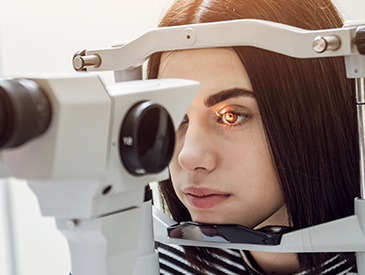
All Eyecare Services
We offer a wide variety of eye care services to the Magnolia community. Contact us with any questions about our services.
Keep In Touch
For non-urgent questions or to learn more about our services, contact us today!

Contact Information
Office Hours
- Monday CLOSED
- Tuesday 9:00am - 6:00pm
- Wednesday 10:00am - 6:00pm
- Thursday 9:00am - 6:00pm
- Friday 9:00am - 6:00pm
- Saturday 9:00am - 2:00pm
- Sunday CLOSED
- Monday
- Tuesday
- Wednesday
- Thursday
- Friday
- Saturday
- Sunday
- Monday
- Tuesday
- Wednesday
- Thursday
- Friday
- Saturday
- Sunday
© 2026 Texas State Optical. All rights Reserved - Accessibility Statement - Privacy Policy - Sitemap
Managed and Designed by 