

 Myopia management
 Dry Eye Treatment

Modern Dry Eye Treatment in Magnolia: Finding Relief From Chronic Dry Eyes
Blog:Modern Dry Eye Treatment in Magnolia: Finding Relief From Chronic Dry Eyes

Modern Dry Eye Treatment in Magnolia: Finding Relief From Chronic Dry Eyes
Dry eyes can be more than an occasional annoyance. When burning, irritation, fluctuating vision, or a gritty sensation becomes persistent, the problem may require more than simply reaching for artificial tears. At Texas State Optical Magnolia, we evaluate the possible causes of chronic dry eyes and help patients find an appropriate approach to lasting symptom management.
Why Chronic Dry Eye Develops
Healthy tears depend on the right balance of water, oils, and other components that keep the surface of the eye comfortable and protected. Dry eye can occur when the eyes do not produce enough tears or when tears evaporate too quickly.
Several factors may contribute to ongoing symptoms, including aging, prolonged screen use, contact lens wear, certain medications, environmental conditions, and problems involving the eyelids or oil glands. Because the cause can vary from patient to patient, identifying what is contributing to dryness is an important part of choosing dry eye treatment.
Signs You May Need A Dry Eye Evaluation
Occasional dryness may improve with simple changes, but persistent or recurring symptoms deserve attention. Common signs of chronic dry eyes include:
- Burning, stinging, or scratchy eyes
- Redness or irritation
- A gritty or sandy sensation
- Watery eyes
- Sensitivity to light
- Blurred or fluctuating vision
- Difficulty wearing contact lenses comfortably
- Eye fatigue that worsens after prolonged screen use
Symptoms can vary throughout the day and may become more noticeable in air-conditioned rooms, windy conditions, or after extended periods of concentrated visual work.
Why Artificial Tears May Not Be Enough
Over-the-counter lubricating drops can provide temporary comfort for some patients, but they do not always address the reason dry eye keeps returning. Using drops repeatedly without understanding the underlying issue may leave patients managing symptoms rather than addressing contributing factors.
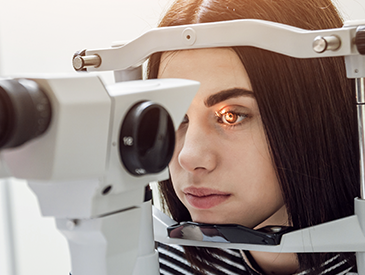
A comprehensive evaluation allows us to look more closely at your eye health, tear quality, eyelids, and other factors that may be affecting the ocular surface. This information helps guide a more personalized approach to dry eye care in Magnolia.
Modern Dry Eye Treatment Is Personalized
There is no single dry eye treatment that is right for everyone. Depending on your symptoms and exam findings, care may focus on improving tear stability, reducing irritation, supporting healthy eyelid function, or addressing other factors contributing to dryness.
Treatment recommendations may include changes to daily eye care habits, lubricating products, prescription options, nutritional or environmental adjustments, and in-office treatments when appropriate. We also consider factors such as screen habits, contact lens use, medications, and lifestyle when developing a care plan.
Protecting Your Eyes Between Visits
Small adjustments can also support better everyday comfort. Taking regular screen breaks, blinking fully during computer work, staying hydrated, avoiding direct airflow toward the eyes, and following your optometrist's recommended eye care routine may help reduce irritation.
If dry eye symptoms continue despite home care, an eye examination can help determine whether another approach may provide better relief.
For personalized dry eye care, schedule an appointment with Texas State Optical Magnolia in Magnolia, TX by calling (281) 946-2020.
Quick Links
Helpful Articles
article_category: restorative
article_category: vision therapy
article_category: contact lenses
article_category: health
article_category: conditions
article_category: eye surgery co-management
article_category: exotic
article_category: cosmetic
article_category: products
article_category: psychiatry
article_category: faqs
article_category: cats
article_category: general
article_category: services
article_category: technology
article_category: dogs
article_category: surgical procedures
article_category: aesthetics
article_category: preventative
article_category: ocular disease management
article_category: eyeglasses
article_category: eye health
article_category: large animal
[]
Flowbite is an open-source library of interactive components built on top of Tailwind CSS including buttons, dropdowns, modals, navbars, and more.
Check out this guide to learn how to get started and start developing websites even faster with components on top of Tailwind CSS.
All Eyecare Services
We offer a wide variety of eye care services to the Magnolia community. Contact us with any questions about our services.
Keep In Touch
For non-urgent questions or to learn more about our services, contact us today!

Contact Information
Office Hours
- Monday CLOSED
- Tuesday 9:00am - 6:00pm
- Wednesday 10:00am - 6:00pm
- Thursday 9:00am - 6:00pm
- Friday 9:00am - 6:00pm
- Saturday 9:00am - 2:00pm
- Sunday CLOSED
- Monday
- Tuesday
- Wednesday
- Thursday
- Friday
- Saturday
- Sunday
- Monday
- Tuesday
- Wednesday
- Thursday
- Friday
- Saturday
- Sunday
© 2026 Texas State Optical. All rights Reserved - Accessibility Statement - Privacy Policy - Sitemap
Managed and Designed by 